Planning a corporate event involves a long list of moving parts—venue selection, guest lists, décor, and, of course, the food. Catering is often the heart of any event, setting the tone for professionalism, hospitality, and overall guest satisfaction. Whether you’re organizing a small boardroom luncheon or a company-wide celebration, the right catering choice can make or break the experience.
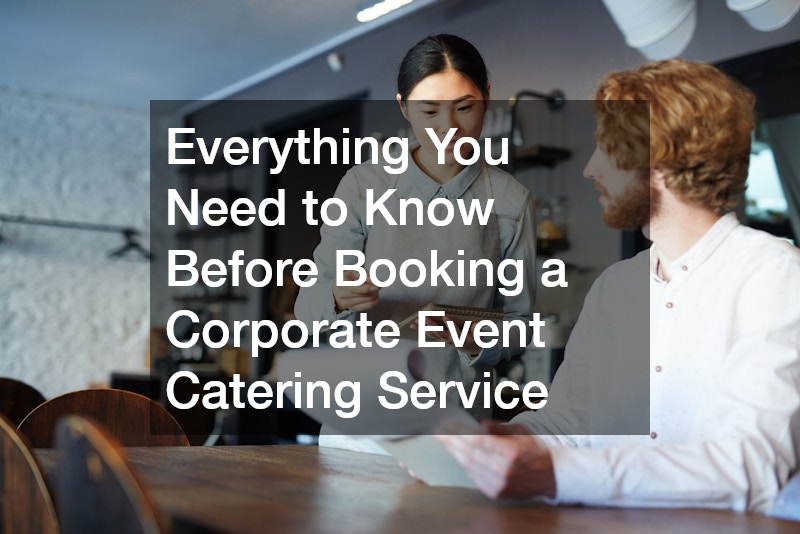
Before you sign any contracts or choose a menu, there are several key details you should know to ensure your event runs smoothly. From understanding your catering needs to evaluating vendors, this guide will walk you through everything you need to know before booking a corporate event catering service.
Identify the Purpose and Style of Your Event
Before reaching out to any caterers, it’s important to clarify the nature and goals of your event. A formal awards night, for example, will have a very different catering style from a casual networking brunch. Defining the event’s tone will help narrow down your catering options and guide your menu choices.
Think about:
-
The event type: Conference, product launch, training session, gala, or team-building day.
-
The number of guests: This affects everything from menu quantity to staff requirements.
-
The desired atmosphere: Is it professional and elegant, or relaxed and social?
If you’re hosting a client-facing event, presentation and menu sophistication should take priority. Internal team events, on the other hand, might benefit from a more relaxed buffet or food station setup. The clearer your event’s purpose, the easier it will be to select a caterer that aligns with your vision.
Understand Menu Options and Dietary Needs
A great catering experience isn’t just about delicious food—it’s about inclusivity and attention to detail. When evaluating menus, look for caterers that can accommodate diverse dietary preferences and restrictions. Today’s corporate culture often includes a range of needs: vegetarian, vegan, gluten-free, dairy-free, halal, and kosher.
Ask potential caterers:
-
Do they offer customizable menus?
-
Can they label dishes clearly for dietary transparency?
-
How do they handle last-minute guest changes or allergies?
It’s also worth discussing food style options early on. Buffet-style catering offers variety and flexibility but can be less formal. Plated service provides elegance but may limit menu choices. Cocktail-style receptions with canapés and finger foods are ideal for networking events.
Presentation matters too—modern catering trends emphasize vibrant, creative plating and sustainable serving materials. The visual appeal of the food can enhance your brand’s image and create a memorable dining experience for guests.
Evaluate Experience, Reviews, and Reliability
Once you’ve outlined your event needs, the next step is researching vendors. Experience counts when it comes to managing large-scale or high-profile corporate events. A professional corporate event catering service should have a proven track record with events similar in size and style to yours.
Start by checking testimonials and online reviews. Look for consistency in feedback—reliable delivery, professional staff, food quality, and presentation standards are key indicators of a trustworthy caterer. You can also ask for references or request photos of previous events to gauge their capabilities.
When speaking with potential caterers, don’t hesitate to ask detailed questions:
-
How do they handle timing and logistics for setup and cleanup?
-
What is their process for unexpected changes or emergencies?
-
Are they insured and compliant with health and safety standards?
Communication is another critical factor. The right caterer will be responsive, transparent about costs, and willing to collaborate on creative solutions. Red flags include vague pricing, limited communication, or reluctance to provide references.
Plan for Logistics, Staffing, and Service Flow
Even the best food can fall flat if the logistics aren’t seamless. Coordinating the service flow—how and when food is served—can make a big difference in guest experience. Discuss these practical details with your caterer well in advance to avoid confusion on the day of the event.
Here are a few key logistical factors to cover:
-
Venue coordination: Ensure your caterer has access to the venue’s kitchen or prep area. If not, confirm they can handle off-site or drop-off catering.
-
Timing: Decide when meals or snacks should be served. For example, conferences may need coffee breaks between sessions, while evening events might require a multi-course dinner schedule.
-
Staffing requirements: Determine how many servers, bartenders, or attendants will be needed. The caterer should provide guidance based on guest count and service style.
-
Equipment and rentals: Confirm whether your caterer provides tables, linens, and utensils, or if you need to rent them separately.
The more detailed your plan, the smoother your event will run. Experienced caterers can help anticipate potential issues, such as food service delays, equipment needs, or layout challenges. Treat them as your event partner rather than just a vendor—their expertise can be invaluable in ensuring everything goes off without a hitch.
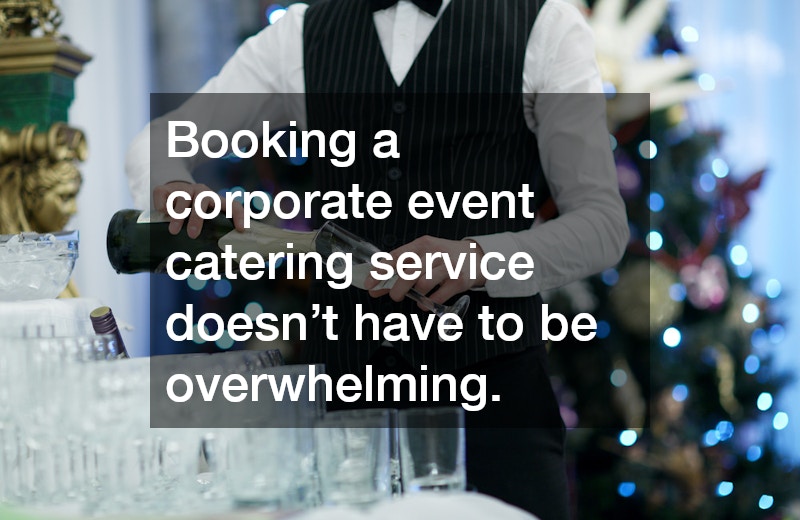
Booking a corporate event catering service doesn’t have to be overwhelming. The key is preparation—understanding your event’s goals, selecting a menu that reflects your company’s image, and partnering with a caterer who values professionalism as much as you do.
Take the time to research, ask questions, and clearly communicate your expectations. When all the details align, catering becomes more than just a meal—it’s an experience that reflects your organization’s culture and attention to excellence. With the right planning and a trusted catering partner, your corporate event will leave a lasting impression on every guest.